The Quiet Renaissance of Alpine Footpaths in Southern Europe
Why thoughtful wanderers are turning their backs on crowded gondola peaks in favor of century-old shepherd thoroughfares where time stands still.
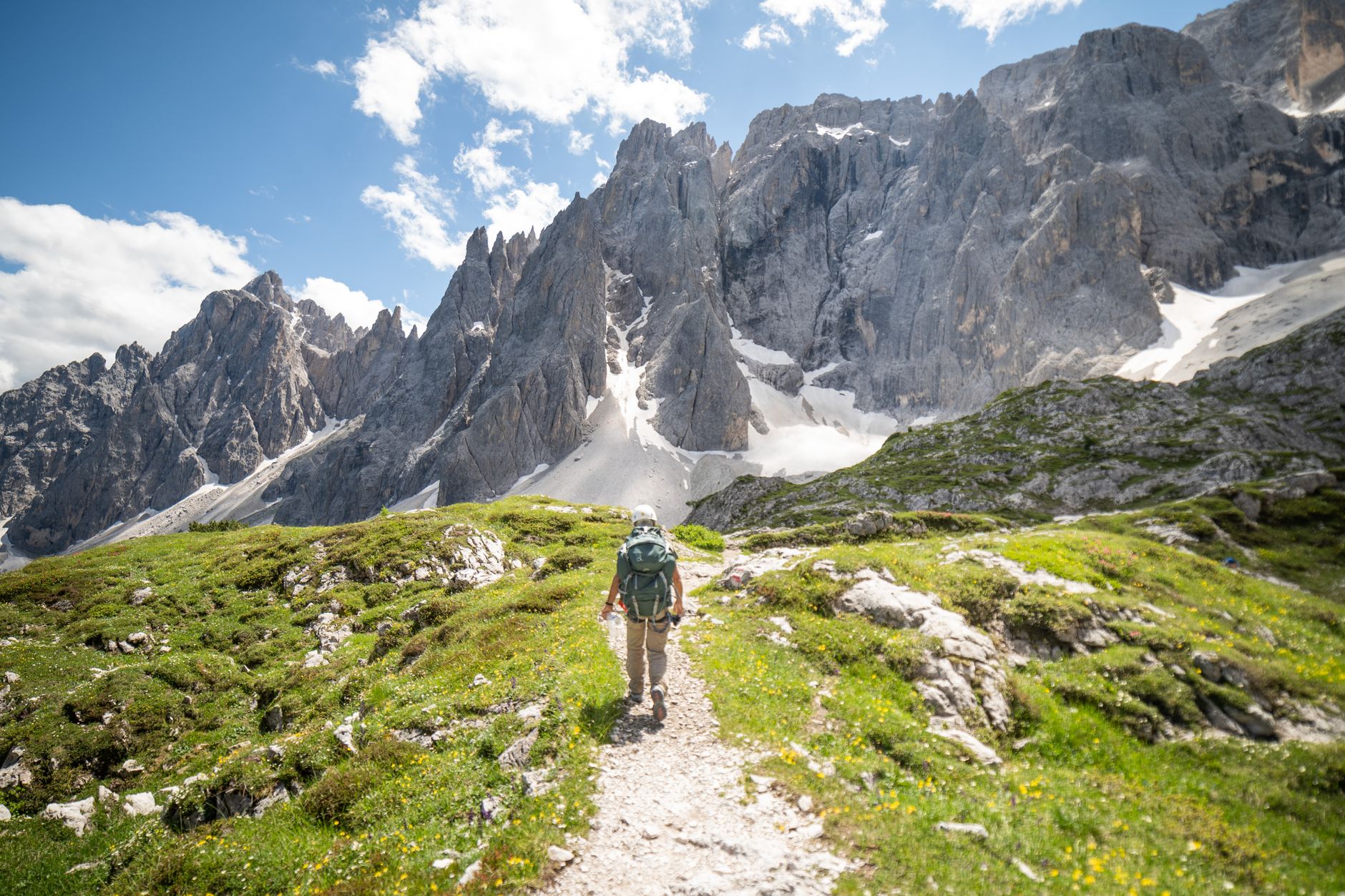
Table of Contents
1. The Geometry of Forgotten Paths
For centuries, the rugged spine of the Julian Alps and the limestone valleys of Friuli served not as leisure destinations, but as working corridors. Transhumance routes connected summer pastures to winter river basins. In an age of instant high-speed transportation, stepping onto these worn stone tracks reconnects the walker to human scale.
When walking between tiny hamlets such as Studor or Stara Fužina, the rhythm of footsteps forces an involuntary decompression. Mobile signals fade beside glacial torrents; the scent of wild thyme and damp larch replaces the hum of city life.
"Walking slowly through high limestone valleys is not merely recreational exercise; it is an act of historical communion and spatial reclamation."
2. Shelters with Soul: The Modern Rifugio
Unlike modern resort developments that scar valleys with sterile concrete, the family-run rifugi perched on high cols offer simple, restorative hospitality. Timber tables, shared wood-burning hearths, and communal dinners strip travel down to its most rewarding essentials.
Here, luxury is redefined: hot spring water, woolen blankets spun from local sheep, and early morning fog clearing over jagged spires while fresh espresso brews on an ancient cast-iron stove.
3. Foraged Herbs and Heritage Cheeses
The gastronomy of these mountain traverses is indivisible from the terrain. Alpine shepherds continue to craft Tolminc and Montasio cheeses in high copper vats, seasoned with nothing more than raw mountain milk, salt, and patient aging on pine shelves. Paired with hand-ground polenta and bitter mountain greens, meals become unforgettable markers of geographical identity.
4. Guidelines for the Respectful Wayfarer
Visiting high-altitude environments demands uncompromising environmental vigilance. Hikers are reminded to adhere to marked stone cairns, carry every scrap of non-organic waste down to valley depots, and book refuge stays months in advance to assist small kitchen teams in managing provisions without wastage.